- Smog breaks down the protective lipid tear film, causing rapid tear evaporation.
- Preservative-free lubricating eye drops are safe for frequent daily use.
- Avoid rubbing irritated eyes to prevent painful corneal scratches and infections.
- Wear wraparound eyewear outdoors and replace contact lenses with glasses on high AQI days.
Every autumn and winter, Lahore experiences intense atmospheric smog with Air Quality Index (AQI) levels frequently surpassing hazardous thresholds. While respiratory health receives widespread attention, the human eye is directly exposed to particulate matter (PM2.5), sulfur dioxide, nitrogen oxides, and carbon monoxide. At The Eyes clinic, we treat hundreds of patients suffering from chemical conjunctivitis, burning sensation, chronic dry eye, and corneal erosions during smog season.
How Smog Affects the Tear Film
The front of your eye is protected by an ultra-thin tear film consisting of three layers: lipid (oil), aqueous (water), and mucin. Airborne pollutants destabilize the lipid layer, accelerating tear evaporation and exposing sensitive corneal nerves.
Symptoms include persistent burning, redness, excessive watery reflex tearing, foreign body sensation, and blurred vision that fluctuates when blinking.
Five Critical Eye Protection Rules During Smog
1. Wear Wrap-Around Protective Glasses: When outdoors, commuting on motorcycles, or walking, wear wraparound glasses to create a physical barrier against airborne particulate debris.
2. Use Preservative-Free Lubricant Eye Drops: High-quality sodium hyaluronate or carboxymethylcellulose artificial tears wash away toxic micro-particles and replenish the ocular surface. Avoid over-the-counter decongestant 'redness-reliever' drops, which cause severe rebound redness.
3. Never Rub Your Eyes: Rubbing eyes introduces bacteria and causes particulate particles to scratch the delicate corneal epithelium, risking infectious corneal ulcers.
4. Limit Contact Lens Wear: During peak smog days, switch to spectacles. Contact lenses trap airborne pollutants against the cornea, magnifying irritation and infection risks.
5. Indoor Air Filtration & Cold Compresses: Use indoor HEPA air purifiers and apply cool, clean water compresses over closed eyelids for 10 minutes after returning home.
When to Visit an Eye Specialist
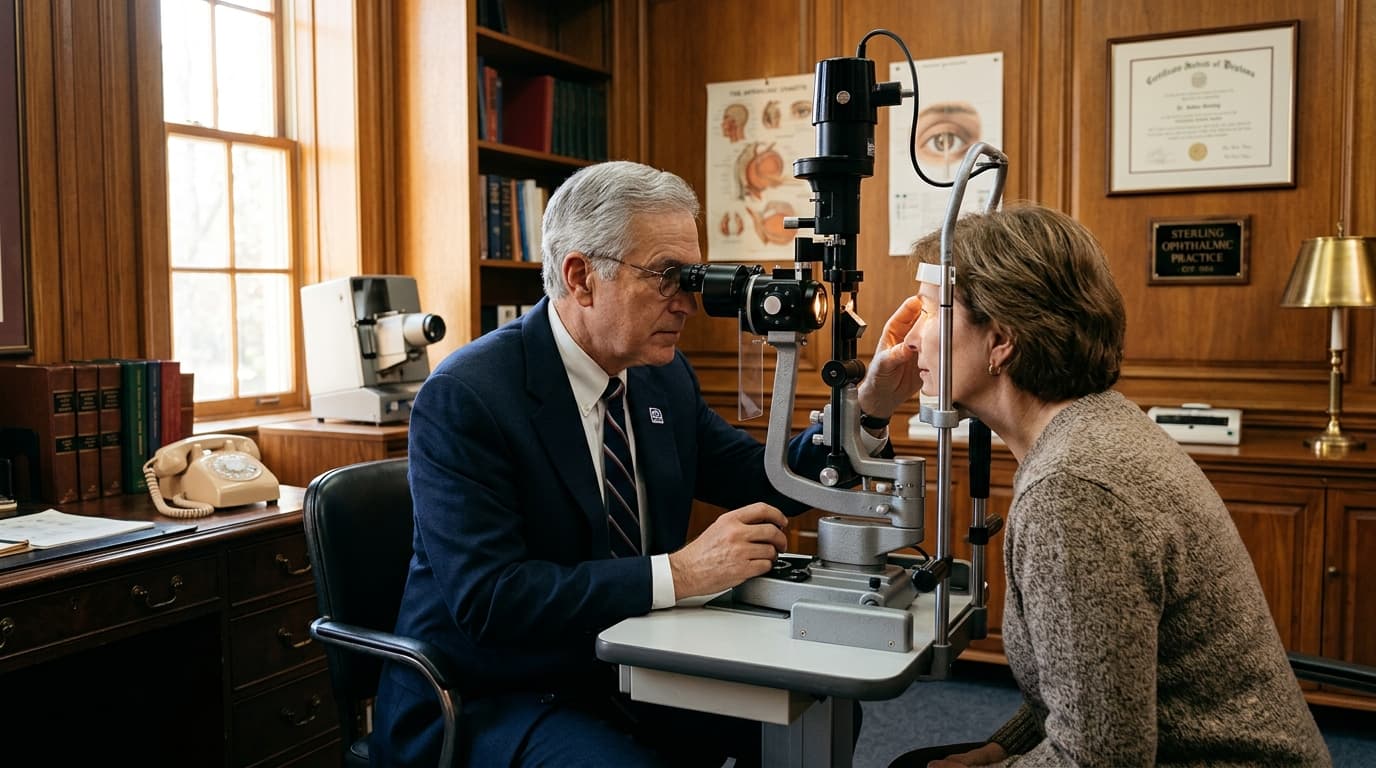
If eye redness persists beyond 48 hours, is accompanied by thick yellow/green discharge, or causes marked light sensitivity (photophobia) or pain, seek professional ophthalmic examination immediately to rule out bacterial keratitis or corneal abrasion.
Medical Conclusion
Your vision is irreplaceable. Taking proactive measures during Lahore's smog season preserves your tear film and corneal health. For personalized tear film diagnostics or persistent irritation, visit The Eyes clinic at 162-A Shah Jamal.

Dr. Ahmad Hussain
Senior consultant eye surgeon with over 35 years of clinical and microsurgical experience in Lahore. Senior member of The Eyes clinical founding team at 162-A Shah Jamal.
Questions About Your Eye Health?
Book an in-person diagnostic examination with our senior consultant team at 162-A Shah Jamal, Lahore.